Ten security habits for small development teams
Small teams rarely need more security products. They need a few habits, kept up every week.
Статьи публикуются на английском языке.
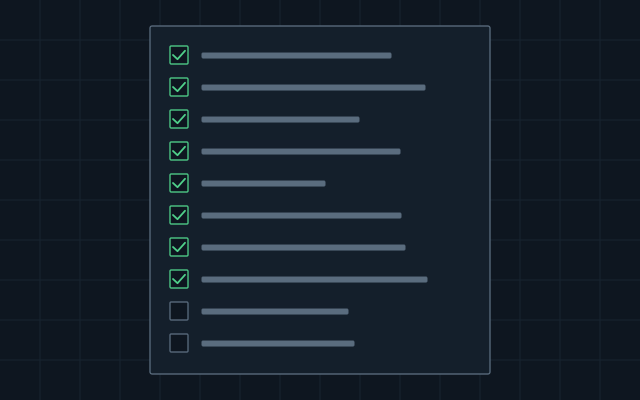
Most breaches of small companies do not involve anything clever. They involve a reused password, a forgotten server or a key committed to a repository. These ten habits close most of those doors, and none of them needs a security department.
1. Use two-factor authentication everywhere
Start with email, source control, cloud accounts and the domain registrar. Prefer hardware keys or an authenticator app to text messages.
2. Keep secrets out of code
Passwords and API keys belong in a secrets manager or in environment configuration. Add an automated scan to catch them before they are committed. If a secret has ever been in a repository, treat it as exposed and replace it.
3. Use a password manager
Every person, every service, a unique generated password. This one habit removes the danger of reused passwords.
4. Have a second person read every change
Code review catches mistakes, spreads knowledge and makes it harder for a single compromised account to ship something malicious. Protect the main branch so that the rule cannot be skipped.
5. Keep dependencies current
Most of the code you ship was written by someone else. Turn on automated dependency alerts and handle them regularly, so that an urgent update does not arrive on top of three years of neglect.
6. Let the framework do the dangerous parts
Use parameterised queries, the framework’s escaping of output and its session handling. Vulnerabilities cluster in the places where a developer decided to do it by hand.
7. Give the least access that works
Developers do not need production database access every day, and services do not need administrator rights. Review who has access to what every few months. You will be surprised.
8. Log what matters, and look at it
Record sign-ins, permission changes and failed access attempts, and send them somewhere an attacker cannot easily erase them. Set a small number of alerts that someone actually reads.
9. Test your backups, and remove leavers
Restore from a backup on a schedule, because an untested backup is a guess. When someone leaves, remove their access on the same day, using a written list so that nothing is forgotten.
10. Write the incident plan before the incident
Who decides to take a system offline? Who talks to customers? Which authority must be told, and how quickly? One page written on a quiet day is worth more than any amount of thinking during an attack.
Where to start
If you can only do three things this week, make them the first three. They cost almost nothing and they stop the most common attacks.
Написано инженерной командой Avtim. Это общая информация; прежде чем на неё полагаться, сверьте её со своей системой.