Artículos
Notas prácticas sobre software
Cómo se construye el software, cuánto cuesta mantenerlo en funcionamiento y cómo se ataca y se defiende.
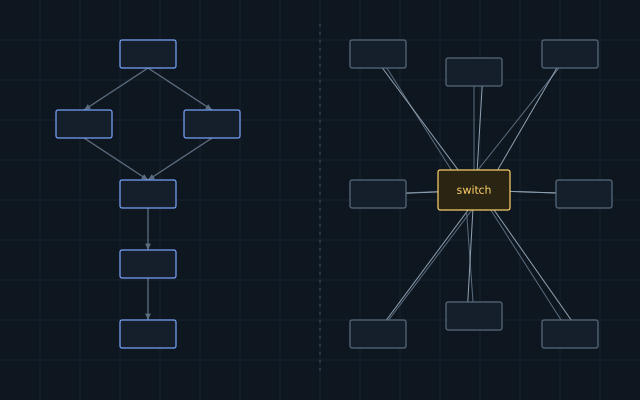
What code obfuscation can and cannot do
Obfuscation buys time and raises the cost of an attack. It does not make a secret safe, and it has a price of its own.
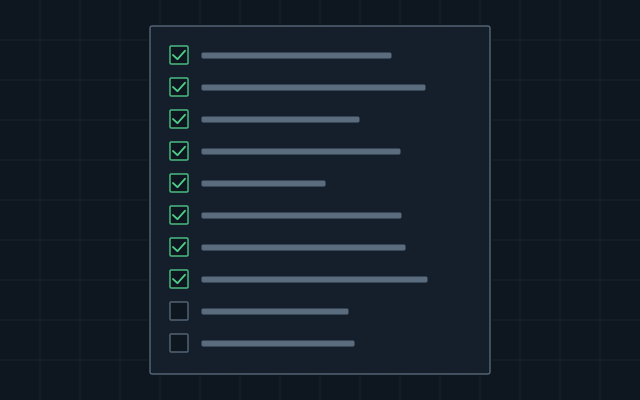
Ten security habits for small development teams
Small teams rarely need more security products. They need a few habits, kept up every week.
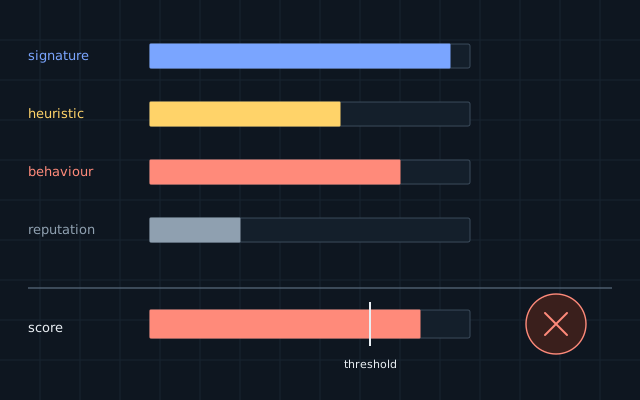
How an antivirus engine reaches a verdict
A modern engine does not simply look a file up in a list. It builds a verdict from several kinds of evidence, each with its own weakness.
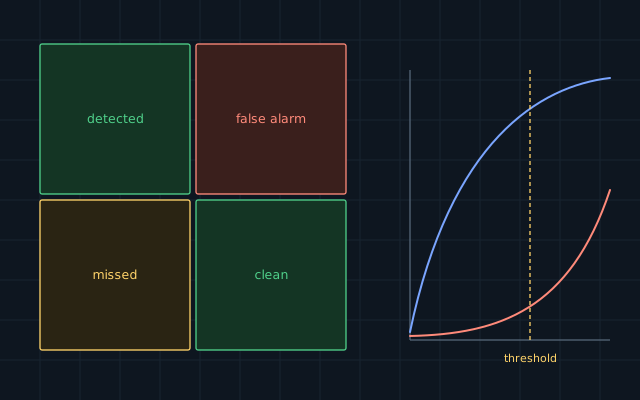
False positives are the real cost of detection
A detector that is right 99.9% of the time can still be wrong about most of what it flags. The arithmetic explains why release discipline matters more than clever rules.
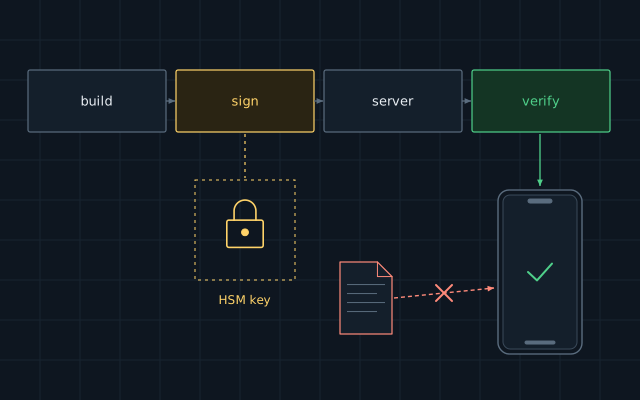
From build server to user: protecting the update path
An automatic update is a program that installs code on every customer's computer. If an attacker controls it, they control all of them at once.
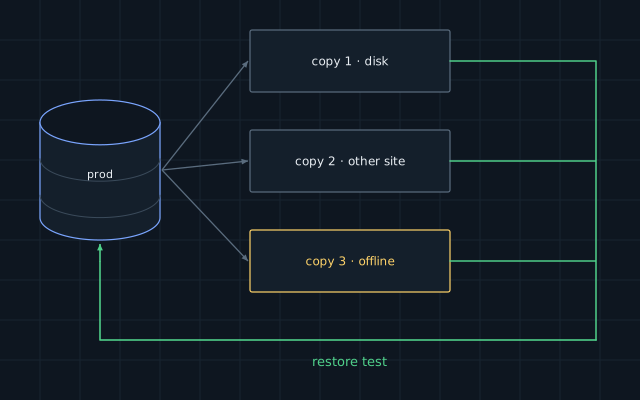
A backup you have not restored is only a hope
Backups fail silently. The only way to know that yours works is to rebuild the system from it, on purpose, before you need to.
Boletín mensual
Un correo al mes: artículos nuevos y lo que aprendimos construyendo software. Sin secuencias de marketing.
Doble confirmación de suscripción. Enlace para darse de baja en cada número. Privacidad.